
What is an ECG?
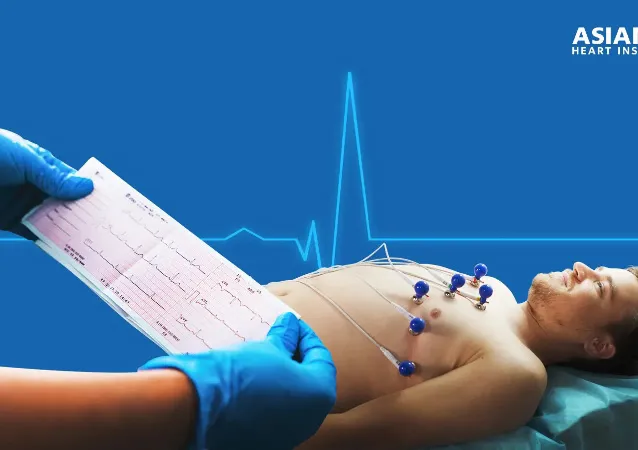
An ECG is a painless and non-invasive test that measures and records your heart’s electrical rhythm and activity. It involves placing small sensors, called electrodes, on your chest, arms, and legs to detect the electrical impulses produced by your heart.
The test usually takes around five minutes to complete and is performed in a clinic or hospital setting. The results are then printed or displayed on a monitor for the doctor to analyse.
Why is an ECG Important?
An ECG is an essential diagnostic tool for identifying various heart conditions. It can help detect abnormalities in the electrical activity of the heart, such as irregular heartbeats (arrhythmias), damaged heart muscle, and inadequate blood flow to the heart (coronary artery disease).
What to Expect During an ECG
Before the test, it is essential to inform your doctor about any medications you are taking, as some can affect the results. The procedure itself is straightforward and does not require any special preparation. You will be asked to lie still while the electrodes are attached to your skin. You may also be asked to take deep breaths or hold your breath for a short period during the test.
After the test, the electrodes will be removed, and you will be advised to resume your regular activities. Your doctor will review the results and discuss any abnormalities or next steps, if necessary.
Frequently Asked Questions
What does an ECG test involve?
An ECG test involves placing small electrodes on your chest, arms, and legs. The test is painless and typically takes about 10 minutes.
Are there any risks associated with an ECG?
No, an ECG is a safe procedure with no associated risks. It is non-invasive and does not involve radiation exposure.
How can I prepare for an ECG?
You do not need special preparation for a standard ECG. However, it is advisable to avoid heavy meals, caffeine, and tobacco before the test.
How often should I have an ECG?
The frequency of ECG tests depends on your individual health needs and any existing heart conditions. Your cardiologist will provide recommendations based on your specific situation.
What happens after the ECG test?
After the ECG is completed, a cardiologist will analyse the results. You will be informed of the findings and any necessary follow up steps or treatments based on the outcome.