
High blood pressure, medically known as hypertension, is one of the most common yet most underestimated health conditions in India today. Often called the silent killer, hypertension produces no obvious symptoms in most people, even as it silently damages the heart, blood vessels, kidneys, and other vital organs over time. Left uncontrolled, it significantly increases the risk of heart attack, stroke, kidney failure, and heart failure.
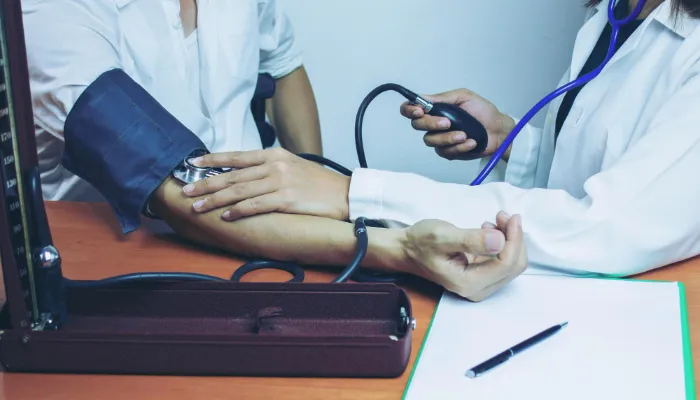
What is High blood pressure (hypertension) Disease?
Blood pressure is the force exerted by circulating blood against the walls of the arteries. It is recorded as two numbers – systolic pressure (the pressure when the heart beats) and diastolic pressure (the pressure between heartbeats) – measured in millimetres of mercury (mm Hg).
A blood pressure reading consistently at or above 130/80 mm Hg is classified as hypertension. Normal blood pressure is generally considered to be below 120/80 mm Hg. The range between these two values is known as elevated blood pressure or prehypertension, a stage where lifestyle changes can prevent progression to full hypertension.
Types of Hypertension
Primary (Essential) Hypertension
The most common form, accounting for over 90% of all hypertension cases. It develops gradually over many years and has no single identifiable cause. It is strongly associated with age, lifestyle, diet, and genetic predisposition.
Secondary Hypertension
A less common form caused by an identifiable underlying medical condition. Secondary hypertension tends to appear more suddenly and produces higher blood pressure readings than primary hypertension. Common underlying causes include chronic kidney disease, adrenal gland disorders, thyroid problems, obstructive sleep apnea, and certain medications.
Symptoms of High Blood Pressure
Most people with hypertension experience no symptoms at all, which is why it is so frequently undiagnosed until it causes a serious complication such as a heart attack or stroke. In severe cases, some patients may experience:
- Persistent or severe headaches, particularly at the back of the head
- Shortness of breath, even during light activity
- Nosebleeds
- Dizziness or lightheadedness
- Visual disturbances or blurred vision
- Chest tightness or discomfort
- Blood in urine
Causes and Risk Factors of Hypertension
While primary hypertension has no single cause, a combination of factors contributes to its development over time. Understanding these risk factors is essential for prevention and early management.
Non-modifiable risk factors:
- Age - blood pressure tends to rise with age
- Family history of hypertension or cardiovascular disease
- Ethnicity - certain populations carry a higher genetic risk
Modifiable risk factors:
- Excess body weight or obesity
- Physical inactivity and sedentary lifestyle
- High sodium diet and low potassium intake
- Tobacco smoking and smokeless tobacco use
- Excessive alcohol consumption
- Chronic stress and poor sleep quality
- Unmanaged diabetes
- Obstructive sleep apnea
- Chronic kidney disease
Causes of secondary hypertension:
- Kidney disease or renal artery stenosis
- Adrenal gland tumours, including pheochromocytoma
- Hypothyroidism or hyperthyroidism
- Congenital narrowing of the aorta (coarctation)
- Certain medications including oral contraceptives, decongestants, and NSAIDs
Diagnosis of Hypertension
Diagnosis begins with accurate and repeated blood pressure measurements. A single elevated reading is not sufficient to diagnose hypertension. Our cardiologist in Nagpur assesses blood pressure across multiple visits and may recommend the following investigations to evaluate the extent of any organ damage and identify any underlying causes:
Blood Pressure Monitoring
Standard clinic measurements taken on multiple occasions. Ambulatory blood pressure monitoring (ABPM) over 24 hours may be recommended for borderline or variable readings.
Blood Tests
Including renal function, electrolytes, fasting glucose, lipid profile, and thyroid function to assess cardiovascular risk and identify contributing conditions.
Urine Tests
To check for protein or blood in urine, which may indicate kidney involvement.
ECG
To assess whether hypertension has caused changes in heart rhythm or increased strain on the heart muscle.
2D Echocardiography
To evaluate left ventricular function and detect early hypertensive heart changes such as left ventricular hypertrophy.
Fundoscopy
Examination of the blood vessels at the back of the eye to assess for hypertensive retinal changes.
How to Treat Hypertension?
Effective hypertension management involves a combination of lifestyle modification and medication, tailored to each patient’s blood pressure level, cardiovascular risk, and any co-existing conditions. At Swasthyam, our cardiologist develops an individualised treatment plan for every hypertension patient with a focus on long term blood pressure control and prevention of complications.
Lifestyle Modifications
The foundation of hypertension management. Effective lifestyle changes include adopting a low sodium, heart healthy diet, achieving and maintaining a healthy body weight, engaging in regular moderate intensity physical activity, quitting smoking and limiting alcohol, managing stress through structured relaxation and sleep, and monitoring blood pressure regularly at home.
Antihypertensive Medications
When lifestyle changes alone are insufficient to achieve target blood pressure levels, medications are prescribed. The choice of medication depends on the degree of hypertension, the patient’s age, the presence of diabetes or kidney disease, and other cardiovascular risk factors. Common classes of antihypertensive medications include ACE inhibitors, ARBs, calcium channel blockers, beta blockers, and diuretics. In many patients, a combination of two or more agents is needed to achieve adequate blood pressure control.
Treatment of Underlying Cause (Secondary Hypertension)
When hypertension is caused by an identifiable condition such as kidney disease or an adrenal tumour, treating the underlying condition is a central part of the management approach. This may involve coordination with nephrology, endocrinology, or surgical teams at Swasthyam.
Ongoing Monitoring
Regular follow up is essential in hypertension management. Our cardiology team schedules structured review appointments to monitor blood pressure response, assess medication tolerance, check for organ damage, and adjust treatment plans as needed over time.
Complications of Uncontrolled Hypertension
When blood pressure remains elevated over a prolonged period without adequate treatment, it causes progressive damage to multiple organ systems. The most serious complications of uncontrolled hypertension include:
- Heart attack and coronary artery disease
- Heart failure due to increased workload on the heart muscle
- Stroke and transient ischaemic attack (TIA)
- Chronic kidney disease and kidney failure
- Hypertensive retinopathy leading to vision loss
- Peripheral artery disease
- Aortic aneurysm
Frequently Asked Questions
What blood pressure level is considered hypertension?
A blood pressure reading consistently at or above 130/80 mm Hg is classified as hypertension. Readings above 180/120 mm Hg represent a hypertensive crisis requiring immediate medical attention.
Can hypertension be cured completely?
Primary hypertension cannot be cured but can be effectively controlled with lifestyle changes and medications. Secondary hypertension may resolve if the underlying cause is treated successfully.
Is high blood pressure dangerous even without symptoms?
Yes. Hypertension causes damage to the heart, blood vessels, kidneys, and brain even in the complete absence of symptoms. This is why it is called the silent killer and why regular monitoring is essential.
How often should blood pressure be checked?
Adults above 18 years should have their blood pressure checked at least once every two years. Those with known hypertension, diabetes, or cardiovascular risk factors should be monitored more frequently as advised by their cardiologist.
Can lifestyle changes alone control blood pressure?
In early or mild hypertension, lifestyle changes including dietary modifications, weight loss, exercise, and stress management can meaningfully reduce blood pressure. In moderate to severe hypertension, medications are usually required alongside lifestyle changes.
What foods should hypertension patients avoid?
Patients with hypertension should limit high sodium foods, processed and packaged foods, red meat, excessive caffeine, and alcohol. A diet rich in fruits, vegetables, whole grains, and low fat dairy is recommended.
How do I consult a cardiologist in Nagpur for high blood pressure?
Call +91 8600888444 or visit our OPD at 97/98, Vivekanand Nagar, Near Sai Mandir, Wardha Road, Nagpur 440015. You can also book online through our website.