
What is a TMT Test?
A TMT test, also known as a treadmill test or stress test, is a non invasive cardiac investigation that evaluates how your heart performs during physical activity. Since the heart works harder during exercise, the test helps identify changes that may not be visible when the body is at rest.
During the test, you walk on a treadmill while your heart rate, blood pressure, and electrocardiogram are continuously monitored. The results help your doctor assess heart function, detect reduced blood flow to the heart, and evaluate your exercise capacity.
Why is a TMT Test Performed?
A stress test is commonly recommended to investigate symptoms that may indicate an underlying heart condition. It also helps evaluate the effectiveness of treatment and determine how well the heart responds to physical activity.
Your doctor may advise a TMT test if you experience chest pain, shortness of breath during exercise, dizziness, unexplained fatigue, or irregular heartbeats. It is also used to assess patients with risk factors such as diabetes, high blood pressure, high cholesterol, smoking, obesity, or a family history of heart disease.
Who Should Undergo a Treadmill Test?
A treadmill test may be recommended for people who have symptoms suggestive of heart disease or those who are at increased cardiovascular risk.
It is commonly advised for individuals with chest discomfort during physical activity, patients recovering from heart related conditions, people beginning an exercise program after a cardiac event, or those undergoing evaluation before certain surgical procedures.
How is the TMT Test Performed?
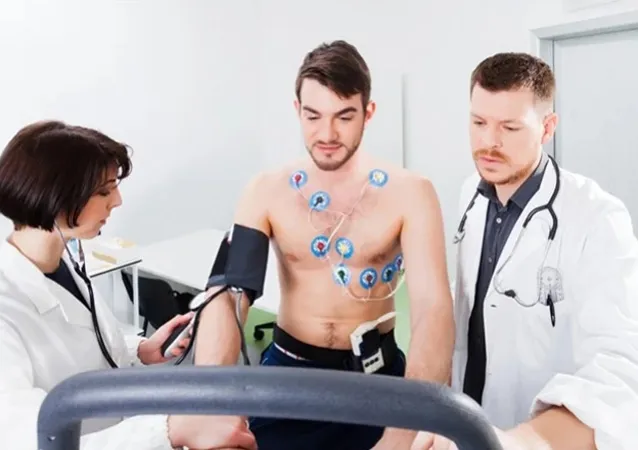
Before the test begins, small electrodes are placed on your chest to monitor the electrical activity of your heart. A blood pressure cuff is also applied to record your blood pressure throughout the procedure.
You will start walking on a treadmill at a slow speed. As the treadmill test progresses, the speed and incline gradually increase. Your heart rhythm, heart rate, blood pressure, and symptoms are monitored continuously. The test is stopped once the target heart rate is achieved, significant symptoms develop, or the doctor decides sufficient information has been obtained.
After the exercise phase, your heart activity continues to be monitored for a few minutes during recovery.
Frequently Asked Questions
Is a Stress Test (TMT) test painful?
No. The test is completely non-invasive and does not involve injections or surgery. You may feel tired after walking on the treadmill, but the procedure itself is not painful.
How long does a treadmill test take?
The complete appointment usually takes about 30 to 45 minutes, including preparation, exercise, and recovery. The actual walking phase generally lasts between 8 and 15 minutes depending on your heart response.
Can I eat before a Stress Test (TMT)?
It is advisable to avoid a heavy meal before the test. Your doctor may recommend eating a light meal several hours beforehand and avoiding caffeine before the procedure.
Should I stop my medicines before the Stress Test (TMT)?
Do not stop any medication without medical advice. Your doctor will let you know if any medicines need to be temporarily withheld before the test.
What should I wear for a treadmill test?
Wear comfortable clothes and sports or walking shoes that allow you to exercise safely on the treadmill.
Is the Stress Test (TMT) safe?
Yes. A stress test is considered safe when performed under medical supervision. Your heart rhythm, blood pressure, and symptoms are continuously monitored, and the test can be stopped immediately if required.
Can a normal Stress Test (TMT) completely rule out heart disease?
No. Although a normal Stress Test (TMT) is reassuring, some heart conditions may require additional investigations depending on your symptoms and overall risk profile.
What happens if my Stress Test (TMT) is positive?
A positive result does not always mean you have a blocked artery. Your cardiologist may recommend further evaluation such as an echocardiogram, CT coronary angiography, or coronary angiography to confirm the diagnosis.