
What is Heart Bypass Surgery (CABG)?
Coronary artery bypass grafting is a surgical procedure in which a healthy blood vessel, taken from the chest, leg, or arm, is used to create a new pathway around a blocked section of a coronary artery. This graft bypasses the obstruction, allowing blood to flow freely to the heart muscle that was previously starved of oxygen and nutrients.
It is important to understand that CABG does not remove the existing blockages or cure the underlying coronary artery disease. Rather, it provides a new route for blood circulation that significantly reduces symptoms, improves heart function, and in many patients, reduces the long term risk of heart attack and death from cardiac causes.
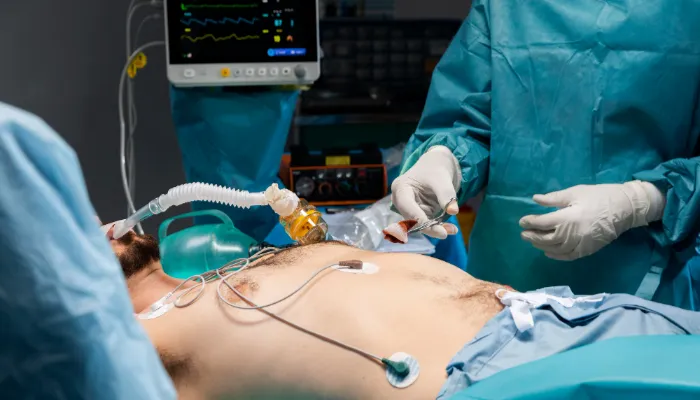
When is Bypass Surgery Recommended?
Indications for CABG in Nagpur
CABG is recommended when coronary blockages are too severe, too extensive, or anatomically unsuitable for treatment with angioplasty and stenting. Your cardiologist and cardiac surgeon at Swasthyam Superspeciality Hospital may recommend bypass surgery if:
- You have significant narrowing in the left main coronary artery, which supplies a large portion of the heart
- Multiple coronary arteries are blocked, particularly in patients with diabetes
- Prior angioplasty or stenting has not been successful or blockages have recurred
- You have severe chest pain (angina) that does not respond adequately to medications
- You have reduced heart function combined with significant coronary blockages
- You are undergoing heart valve surgery simultaneously, making a combined procedure appropriate
Types of Heart Bypass Surgery
On-Pump CABG (Traditional Bypass Surgery)
The conventional form of bypass surgery performed with the support of a heart-lung bypass machine, which temporarily takes over the function of the heart and lungs during the operation. This allows the surgeon to operate on a still, bloodless heart with precision. It remains the most widely used technique and is the standard of care for complex multi-vessel bypass procedures.
Off-Pump CABG
A technically demanding approach where bypass grafting is performed on the beating heart without using the heart-lung machine. It eliminates the risks associated with cardiopulmonary bypass including inflammation and neurological effects, making it a preferred option in selected patients, particularly those with kidney disease, prior stroke, or other conditions that increase the risk of bypass machine related complications.
Minimally Invasive CABG
In selected patients with single or limited vessel disease, bypass surgery can be performed through smaller incisions rather than a full sternotomy, reducing postoperative pain, bleeding risk, and recovery time. Eligibility for minimally invasive approaches depends on the location and number of arteries requiring bypass.
How is CABG Performed?
Graft Vessel Selection
The success of bypass surgery depends significantly on the quality of the graft vessel used. The most commonly used grafts are:
- Internal Mammary Artery (IMA): The internal thoracic artery from inside the chest wall is the preferred graft for bypassing the left anterior descending artery, the most important coronary vessel. IMA grafts have excellent long term patency rates and are associated with the best long term outcomes.
- Saphenous Vein Graft: A vein harvested from the leg is used to bypass other coronary arteries. It is readily available and easy to work with surgically, though its long term patency is lower than arterial grafts.
- Radial Artery Graft: The radial artery from the forearm is increasingly used as an additional arterial conduit, offering better long term patency than vein grafts.
The Surgical Procedure
The procedure begins with general anaesthesia. For on-pump CABG, the heart-lung machine is connected before the surgeon opens the aorta. One end of each graft vessel is sewn to the aorta and the other end to the coronary artery below the blockage, creating a new blood flow pathway. The number of bypasses performed, referred to as single, double, triple, or quadruple bypass, corresponds to the number of blocked arteries treated. The chest is then closed and the patient is transferred to the cardiac ICU for post operative monitoring.
What to Expect Before, During, and After CABG in Nagpur
Before the Surgery
Our cardiac team at Swasthyam Superspeciality Hospital, Nagpur conducts a thorough preoperative evaluation including coronary angiography, 2D echocardiography, pulmonary function tests, blood tests, ECG, and chest X-ray. Current medications are reviewed and adjusted as required, particularly blood thinners and diabetes medications. Patients are counselled on the procedure, expected recovery timeline, and post-operative lifestyle modifications. You will be admitted to the hospital the night before or on the morning of the procedure.
During the Procedure
CABG is performed under general anaesthesia and typically takes 3 to 6 hours, depending on the number of vessels bypassed and the surgical approach. Throughout the procedure, your heart rate, blood pressure, oxygen levels, and neurological status are continuously monitored by the anaesthesia team.
After the Surgery
Following CABG, patients are transferred to the cardiac ICU for close monitoring of heart rhythm, blood pressure, fluid balance, and respiratory function. Most patients spend 2 to 3 days in the ICU before being moved to a regular cardiac ward. Total hospital stay is typically 7 to 10 days. A structured cardiac rehabilitation program begins during hospitalisation and continues after discharge, covering supervised exercise, dietary guidance, medication management, and risk factor control.
Benefits of Heart Bypass Surgery
- Significant and lasting relief from chest pain and breathlessness
- Improved blood supply to the heart muscle and better overall cardiac function
- Reduced risk of heart attack in patients with severe multi-vessel coronary disease
- Superior long term outcomes compared to angioplasty in complex coronary disease
- Improved exercise tolerance and quality of life
- In many patients, a meaningful extension of life expectancy
Risks of CABG
As with any major cardiac surgery, CABG carries potential risks including bleeding requiring transfusion, wound infection, irregular heart rhythm in the early post operative period, neurological effects in a small percentage of patients, kidney stress, and in rare cases, stroke or heart attack during or shortly after the procedure. The overall risk depends on the patient’s age, heart function, and co-existing conditions. Your surgeon at Swasthyam will discuss your individual risk profile in detail before the procedure.
Why Choose Swasthyam Superspeciality Hospital for Bypass Surgery in Nagpur?
Integrated Cardiac Surgical and Cardiology Team
At Swasthyam Superspeciality Hospital, our cardiac surgeons and interventional cardiologists work in close collaboration to evaluate every patient’s coronary anatomy and determine the most appropriate treatment, whether angioplasty, CABG, or a combination approach. This multidisciplinary decision making ensures every patient receives the treatment best suited to their specific condition.
Dedicated Cardiac Operation Theatre and ICU
Our cardiac operation theatres are equipped with advanced anaesthesia systems, intraoperative monitoring, and full cardiac surgical support infrastructure. Our cardiac ICU provides continuous post operative monitoring by a dedicated team of intensivists and cardiac nurses, ensuring the safest possible recovery environment for every bypass surgery patient in Nagpur.
Structured Post-Operative Cardiac Rehabilitation
Recovery from bypass surgery extends well beyond discharge. Our cardiology team provides a structured cardiac rehabilitation program covering supervised exercise, dietary counselling, medication optimisation, and regular follow up monitoring to reduce the risk of future cardiac events and support every patient’s return to an active, healthy life.
Frequently Asked Questions
How long does heart bypass surgery take?
CABG typically takes 3 to 6 hours depending on the number of arteries bypassed and the surgical technique used. The procedure is performed under general anaesthesia and patients are transferred to the cardiac ICU immediately after.
How long is the hospital stay after bypass surgery in Nagpur?
Most patients spend 2 to 3 days in the cardiac ICU followed by 4 to 7 days in the cardiac ward, with a total hospital stay of approximately 7 to 10 days depending on recovery progress.
What is the recovery time after CABG?
Most patients are able to resume light daily activities within 4 to 6 weeks. Full recovery including return to work and normal physical activity, generally takes 2 to 3 months, supported by a structured cardiac rehabilitation program.
How long do bypass grafts last?
Arterial grafts, particularly the internal mammary artery, have excellent long-term patency with studies showing good function beyond 10 to 15 years in many patients. Vein grafts have a shorter average lifespan and may require further intervention over time.
Is bypass surgery better than angioplasty?
For patients with complex multi-vessel coronary artery disease, left main disease, or significant diabetes, bypass surgery generally provides superior long-term outcomes including better survival and lower rates of repeat procedures compared to angioplasty. The right choice depends on the individual patient’s anatomy and overall condition.
Will I need to take medications after bypass surgery?
Yes. Following CABG, patients are typically prescribed blood thinners, statins, blood pressure medications, and diabetes treatments as applicable. These medications play a critical role in protecting the bypass grafts and preventing further progression of coronary artery disease.