
What is a Pacemaker and When is it Needed?
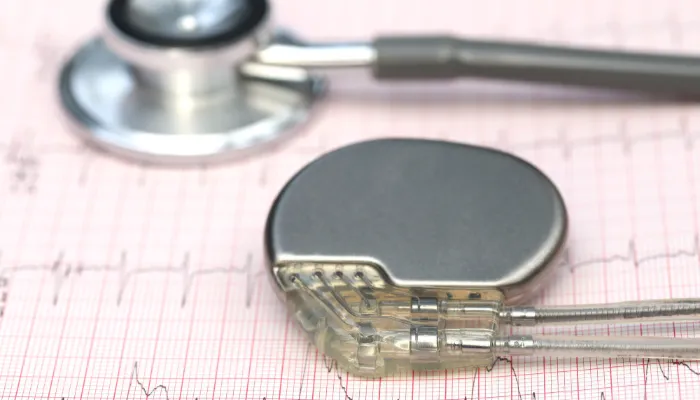
A pacemaker is a small, battery-powered electronic device implanted in the chest to help regulate the heart’s rhythm when its natural electrical system fails to function correctly. It continuously monitors the heart rate and delivers gentle electrical impulses to keep the heart beating at a safe, consistent pace.
The heart’s natural pacemaker, the sinoatrial node, generates electrical signals that coordinate each heartbeat. When this system malfunctions due to disease, age, or cardiac damage, the heart may beat too slowly (bradycardia), too irregularly, or with abnormal pauses between beats. A pacemaker is implanted to take over this function, ensuring the heart maintains an adequate rate to support normal daily activity.
Common Indications for Pacemaker Implantation
Pacemaker implantation is recommended for:
- Bradycardia with symptoms such as dizziness, fainting, or extreme fatigue
- Heart block where electrical signals between the upper and lower chambers are delayed or blocked
- Sick sinus syndrome where the sinoatrial node does not function reliably
- Certain types of atrial fibrillation requiring rate control
- Syncope (fainting) due to abnormal heart rhythm
- Cardiac resynchronisation therapy in selected heart failure patients
Types of Pacemakers
Choosing the right type of pacemaker depends on the nature of the rhythm disorder, the chambers affected, and the patient’s overall cardiac condition.
Single Chamber Pacemaker
A single-chamber pacemaker has one pacing lead implanted in either the right atrium or the right ventricle. It is used when pacing is required in only one chamber of the heart and is suitable for specific rhythm disorders where atrioventricular synchrony is not a priority.
Dual Chamber Pacemaker
A dual-chamber pacemaker has two pacing leads implanted, one in the right ventricle and one in the right atrium, and is the most common type of implanted pacemaker. It coordinates the timing between the upper and lower chambers of the heart, more closely mimicking the heart’s natural rhythm.
Biventricular Pacemaker (Cardiac Resynchronisation Therapy)
With biventricular pacing, in addition to single or dual chamber right heart pacing leads, a lead is advanced to the coronary sinus for left ventricular epicardial pacing. This is used in selected patients with heart failure and electrical dyssynchrony to improve the coordination of the heart’s pumping function.
Leadless Pacemaker
A leadless pacemaker implants a capsule-shaped device smaller than a AAA battery directly inside the heart in a catheter-based procedure with no large incisions and no lead wires. It eliminates the risks associated with traditional lead wires and the surgical pocket, making it a significant advancement in pacemaker technology for eligible patients.
Procedure, Benefits, and Risks
Benefits of Pacemaker Implantation in Nagpur
- Effective resolution of symptoms including dizziness, fainting, and fatigue caused by slow heart rhythm
- Significant improvement in exercise tolerance and daily activity levels
- Prevention of life-threatening pauses or drops in heart rate
- Long device lifespan, typically 7 to 15 years, depending on usage, before battery replacement is needed
- Minimally invasive with a short hospital stay and quick recovery
Potential Risks and Complications
Acute complications involving pneumothorax, cardiac perforation, lead dislodgment, pocket infection, or haematoma occur in a small percentage of patients. Other potential risks include bleeding at the implant site, device infection, lead displacement requiring repositioning, and in rare cases, blood vessel injury during lead placement. These risks are minimised by the experience of the implanting cardiologist and the quality of the procedural environment. All risks are discussed in detail with the patient before the procedure.
What to Expect Before, During, and After Pacemaker Surgery in Nagpur
Before the Procedure
Our cardiologist at Swasthyam Superspeciality Hospital, Nagpur conducts a thorough pre-procedure evaluation, including ECG, 2D echocardiography, Holter monitoring, blood tests, and chest X-ray. Patients are advised not to eat or drink for 6 to 8 hours before the procedure. Current medications are reviewed and blood thinners may be adjusted as directed. A detailed consent discussion is conducted explaining the procedure, device selection, and recovery expectations.
During the Procedure
You will be positioned on the procedure table with ECG monitoring, blood pressure measurement, and oxygen monitoring in place throughout. The area below the collarbone is cleaned and numbed with local anaesthesia. You may feel mild pressure but should not experience pain. The cardiologist uses real-time X-ray imaging to guide leads to the correct position in the heart chambers. You will be asked to remain still and breathe normally during the procedure.
After the Procedure
Following pacemaker implantation at Swasthyam Hospital in Nagpur, you will be monitored overnight for device function, wound integrity, and heart rhythm. A chest X-ray and device check are performed before discharge. You will be given specific instructions on wound care, activity restrictions for the first few weeks, and the importance of keeping follow-up appointments for regular device interrogation and battery monitoring. You will also receive a pacemaker identification card to carry at all times.
Side Effects and Complications of Implantable Heart Devices
While pacemaker implantation is a routine and well-established procedure, patients should be aware of possible side effects and complications:
- Swelling, bruising, or discomfort at the implant site in the initial days after surgery
- Infection at the pacemaker pocket, which may require device removal and reimplantation in rare cases
- Lead displacement requires a second procedure to reposition the lead
- Skin erosion over the device in very rare cases
- Electromagnetic interference from certain industrial equipment, though most household electronics, including mobile phones, are safe with modern pacemakers
- Twiddler's syndrome, a rare condition where patients inadvertently rotate the device, causing lead dislodgment
- Battery depletion requires a generator change procedure, typically every 7 to 15 years
Our cardiology team provides comprehensive guidance on device precautions, safe activities, and signs that require immediate medical attention.
Why Choose Swasthyam Superspeciality Hospital for Pacemaker Implantation?
Experienced Cardiac Team in Nagpur
Our interventional cardiologist brings over two decades of experience in cardiac device implantation, electrophysiology, and rhythm disorder management. Every pacemaker implantation at Swasthyam is performed with meticulous attention to lead positioning, device programming, and post-procedure monitoring.
Advanced Cardiac Procedure Facility
Our dedicated cardiac procedure room is equipped with high-precision fluoroscopy imaging, continuous haemodynamic monitoring, and full resuscitation support, providing the safest possible environment for pacemaker implantation and all cardiac device procedures in Nagpur.
Comprehensive Long-Term Device Follow-Up
Pacemaker implantation is a long term commitment. Our cardiology team provides structured follow up care including regular device interrogation, battery monitoring, remote sensing where available, and timely generator replacement, ensuring your device continues to function optimally throughout its lifespan.
Frequently Asked Questions
How long does a pacemaker battery last?
Pacemaker batteries typically last between 7 and 15 years depending on how frequently the device delivers pacing and the settings programmed by the cardiologist. When the battery nears depletion, a minor procedure is performed to replace the generator while retaining the existing leads.
Can I live a normal life after pacemaker implantation?
Yes. Most patients return to their normal daily activities within a few weeks. Physical activity, travel, and most household tasks can be resumed after recovery. Your cardiologist will provide specific guidance based on your device type and underlying heart condition.
Will I feel the pacemaker working inside my chest?
Most patients do not feel the pacemaker delivering pacing impulses. Some patients may occasionally notice a mild flutter or increased awareness in the chest initially, but this typically settles within days to weeks after implantation.
Are there any restrictions after pacemaker implantation?
Arm movement on the implant side is restricted for the first 4 to 6 weeks to allow the leads to secure in position. Most electronic devices, including mobile phones, are safe to use, but you should keep phones away from the implant site. Certain industrial equipment and strong magnetic fields may require precaution, which your cardiologist will explain in detail.
What is the difference between a pacemaker and an ICD?
A pacemaker monitors and corrects slow heart rhythms by delivering gentle pacing impulses. An implantable cardioverter defibrillator (ICD) is designed to detect and terminate life threatening fast rhythms such as ventricular fibrillation by delivering a controlled shock. Some devices combine both functions in a single implant.