
Department of Cardiology & Cardiac Sciences
Heart disease is the leading cause of death in India, accounting for nearly 28% of all deaths nationwide. Indians develop cardiovascular disease almost a decade earlier than Western populations, making early detection and timely specialist care critically important. With rising rates of diabetes, hypertension, obesity, and stress, the burden of heart disease in urban populations like Nagpur continues to grow at an alarming pace.
At Swasthyam Superspeciality Hospital, one of the well known cardiology hospitals in Nagpur, our Department of Cardiology & Cardiac Sciences offers the full spectrum of cardiac care under one roof. From advanced cardiac surgeries like bypass surgery and valve replacement to minimally invasive interventional procedures like angioplasty and stenting, our cardiac team is equipped to handle every heart condition with precision, expertise, and compassion.
Whether you are seeking routine cardiac screening, expert management of a chronic heart condition or emergency cardiac treatment in Nagpur, Swasthyam Heart Hospital is here to provide the right care at the right time.
Why Choose Swasthyam Superspeciality Hospital?
When it comes to heart health, choosing the right hospital can be a life-changing decision. At Swasthyam Superspeciality Hospital, we combine surgical excellence, advanced cardiac technology and compassionate patient care to deliver outcomes that truly make a difference. Here is why patients across Nagpur and Central India trust us for their cardiac treatment.
- Experienced cardiologists and cardiac surgeons with years of dedicated clinical experience
- Full-spectrum cardiac care from non-invasive diagnostics to open-heart surgery under one roof
- Advanced cath lab for coronary angiography, angioplasty, and stenting
- Dedicated cardiac ICU with round-the-clock monitoring and specialist support
- 24/7 emergency heart care and cardiac intervention facility
- State-of-the-art non-invasive diagnostics, including ECG, echocardiography, TMT, and Holter monitoring
- Personalised, evidence-based treatment plans for every cardiac patient
- Coordinated multidisciplinary care with cardiac surgery, critical care, and rehabilitation teams
- Conveniently located in Nagpur, serving patients from across Vidarbha and Central India
Comprehensive Cardiac Care at Nagpur's Specialized Heart Hospital
At Swasthyam Superspeciality Hospital, our cardiology department is built to manage the complete spectrum of heart conditions, from common problems like hypertension and arrhythmias to complex conditions requiring open heart surgery. Every patient receives a thorough cardiac assessment followed by a personalised treatment plan tailored to their specific diagnosis, overall health and lifestyle.
Our cardiac team combines the expertise of experienced cardiologists and cardiac surgeons with advanced diagnostic technology and a state of the art cath lab, ensuring that every patient gets the most accurate diagnosis and the most effective treatment available.
We follow evidence based treatment protocols and work closely with critical care, cardiac rehabilitation and other specialties to deliver truly comprehensive cardiac care. We are committed to making advanced cardiac treatment accessible and affordable for every patient across Nagpur and the Vidarbha region.
Meet Our Experienced Cardiologists
At Swasthyam Superspeciality Hospital, our cardiology department is led by a highly qualified and experienced cardiac specialist dedicated to delivering advanced heart care to patients across Nagpur and the Vidarbha region. Our cardiac team brings together expertise in both interventional cardiology and cardiac surgery, ensuring that every patient receives the most appropriate and effective treatment for their specific heart condition.
As one of the renowned heart hospitals in Nagpur, we provide comprehensive cardiac care supported by advanced cath lab technology, dedicated cardiac ICU and a multidisciplinary team approach. Our specialists are committed to accurate diagnosis, effective treatment and long term cardiac health management for every patient.

Dr. Pankaj Harkut
Interventional Cardiologist
MBBS, MD(Medicine), DNB(Medicine), DM(Cardiology), FACC
Experience: 15+ Years
About Dr. Pankaj Harkut
Dr. Pankaj Harkut is a highly experienced interventional cardiologist in Nagpur at Swasthyam Superspeciality Hospital. With a distinguished career spanning over two decades. He completed his residency in the Cardiology Department at Sir J.J. Group of Hospitals in Mumbai, where he gained extensive experience in both invasive and non-invasive cardiac procedures.
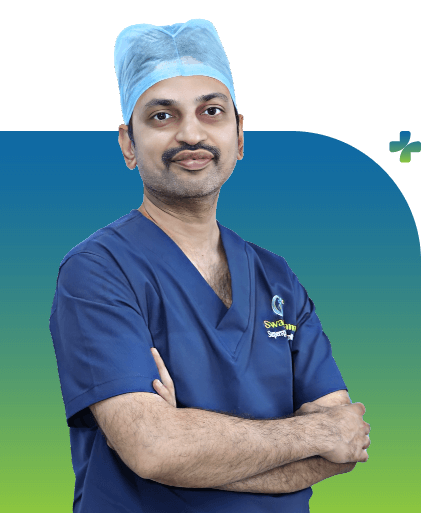
Dr. Manish Chokhandre
Pediatric Cardiologist
MBBS, MD(Pediatrics), FCPS, Fellowship(Pediatric Cardiology)
Experience: 10+ Years
About Dr. Manish Chokhandre
Dr. Manish Chokhandre is a Pediatrician and Pediatric Cardiologist in Nagpur and has an experience of 11 years in these fields. He completed MBBS from Govt. Medical College Nagpur in 2008, MD – Pediatrics from Topiwala National Medical College and Fellowship in Pediatric Cardiology from D Y Patil University/ Fortis Hospital, Mumbai. Dr. Manish Chokhandre is professional Pediatric Cardiologist & child heart specialist in Nagpur.

Dr. Yogesh Kolmarkar
Interventional Cardiologist
MBBS, MD(Gen. Medicine), DrNB(Cardiology)
About Dr. Yogesh Kolmarkar
With unwavering dedication to the well-being of his patients, he serve as a Consultant Interventional Cardiologist at Swasthyam Hospital, Nagpur. His approach combines clinical precision with a deeply rooted sense of compassion, ensuring that every patient receives not just treatment, but holistic cardiac care delivered with empathy, dignity, and ethical responsibility. As a physician, he remain grounded in the ethics of medical practice, ensuring transparency, patient autonomy, and evidence-backed treatment decisions. His priority is to heal with integrity-balancing clinical expertise with a human touch.
Advanced Cardiac Treatments & Surgeries at Swasthyam Heart Hospital
Our cardiology department offers a comprehensive range of both surgical and non-surgical cardiac treatments, covering every aspect of heart care from routine interventional procedures to complex open-heart surgeries. Every treatment plan is personalised based on the patient’s diagnosis, overall health and cardiac condition severity.
Cardiac Surgeries
Coronary Artery Bypass Grafting (CABG)
Commonly known as bypass surgery, CABG is performed to restore normal blood flow to the heart by creating a new pathway around blocked or narrowed coronary arteries. It is recommended for patients with severe coronary artery disease where angioplasty is not suitable or has not been effective.
Valve Replacement Surgery
Valve replacement surgery involves replacing a damaged or diseased heart valve with a mechanical or biological prosthetic valve. It is performed for patients with severe aortic, mitral, tricuspid, or pulmonary valve disease that is causing significant symptoms or compromising heart function.
Valve Repair Surgery
In selected cases where the heart valve can be reconstructed rather than replaced, valve repair surgery is preferred as it preserves the patient’s own valve tissue, offers better long-term outcomes and reduces the need for lifelong blood-thinning medications.
Open Heart Surgery
Open heart surgery is performed under general anaesthesia with the patient on a heart lung bypass machine, allowing the surgeon to operate directly on the heart. It is used for a wide range of complex cardiac conditions including congenital heart defects, valve disease and coronary artery disease.
Pericardial Surgery
Pericardial surgery involves procedures on the pericardium, the protective sac surrounding the heart. It is performed for conditions such as constrictive pericarditis and large pericardial effusions that are causing compression of the heart and impairing its function.
Cardiac Tumour Surgery
Surgical removal of benign or malignant cardiac tumours affecting the chambers, valves or walls of the heart. Prompt surgical intervention is essential to prevent complications such as obstruction of blood flow, embolism or heart failure.
Interventional Cardiology Procedures
Coronary Angiography
Coronary angiography is a minimally invasive diagnostic procedure that uses contrast dye and X-ray imaging to visualise the coronary arteries and identify blockages or narrowing. It is the gold standard test for diagnosing coronary artery disease and planning the most appropriate treatment.
Coronary Angioplasty and Stenting (PCI)
Percutaneous Coronary Intervention (PCI) involves opening a narrowed or blocked coronary artery using a balloon catheter, followed by the placement of a metal stent to keep the artery open. It is an effective minimally invasive alternative to bypass surgery for suitable patients.
Primary PCI for Heart Attack
Primary PCI is an emergency angioplasty performed as quickly as possible in patients suffering an acute heart attack. Opening the blocked coronary artery rapidly restores blood flow to the heart muscle and significantly reduces the risk of permanent heart damage and death.
Pacemaker Implantation
A pacemaker is a small electronic device implanted under the skin of the chest to regulate the heart’s electrical activity and maintain a normal heart rate. It is indicated for patients with bradycardia, heart block and other conditions causing an abnormally slow or irregular heart rhythm.
Implantable Cardioverter Defibrillator (ICD) Implantation
An ICD is an implantable device that continuously monitors the heart rhythm and delivers an automatic electric shock to restore a normal rhythm if a life threatening arrhythmia is detected. It is recommended for patients at high risk of sudden cardiac death.
Cardiac Resynchronisation Therapy (CRT)
CRT is a specialised pacing therapy used in patients with heart failure and electrical conduction abnormalities. It coordinates the contractions of the heart’s chambers to improve cardiac output, reduce symptoms and improve quality of life in selected heart failure patients.
Balloon Mitral Valvotomy (BMV)
BMV is a minimally invasive catheter based procedure used to treat mitral stenosis by inflating a balloon across the narrowed mitral valve to widen the valve opening and improve blood flow. It is an effective alternative to open-heart valve surgery in suitable patients.
Electrophysiology Study and Radiofrequency Ablation
An electrophysiology study maps the electrical pathways of the heart to identify the source of abnormal heart rhythms. Radiofrequency ablation then uses targeted energy to destroy the abnormal electrical tissue causing the arrhythmia, providing a long-term cure for many types of irregular heart rhythms.
Non-Surgical Cardiac Treatments
Heart Failure Management
Comprehensive medical management of acute and chronic heart failure, including optimisation of medications, fluid management, device therapy and structured follow-up care to reduce symptoms, prevent hospitalisations and improve quality of life.
Hypertension Management
Specialist evaluation and long-term management of high blood pressure to reduce the risk of heart attack, stroke, heart failure and kidney disease through targeted medication, lifestyle modification and regular monitoring.
Cardiac Rehabilitation
A structured program combining supervised exercise, patient education, dietary counselling and psychological support designed to support recovery after a heart attack, bypass surgery or other major cardiac event and reduce the risk of future cardiac problems.
Anticoagulation Therapy Management
Specialist management of blood thinning medications for patients with atrial fibrillation, mechanical heart valves, deep vein thrombosis and pulmonary embolism to reduce the risk of stroke and thromboembolic complications.
Heart Diseases & Cardiac Conditions We Treat
Our cardiology team diagnoses and treats the full spectrum of heart diseases and cardiac conditions, from common cardiovascular problems to complex and rare heart disorders. If you are experiencing any symptoms related to heart health or have been advised to consult a cardiologist in Nagpur, our department is equipped to provide accurate diagnosis and effective long term management for every condition.
Coronary Artery Disease (CAD)
Coronary artery disease is the most common form of heart disease in India, caused by the gradual buildup of plaque inside the coronary arteries that supply blood to the heart muscle. Over time, this narrowing reduces blood flow to the heart, causing chest pain, breathlessness and in severe cases, a heart attack.
Symptoms:
- Chest pain or pressure, especially during physical activity or stress
- Shortness of breath during exertion
- Fatigue and reduced exercise tolerance
- Palpitations and dizziness in some cases
Causes:
- High blood pressure and elevated cholesterol levels
- Diabetes and obesity
- Smoking and tobacco use
- Sedentary lifestyle and unhealthy diet
- Family history of heart disease
Heart Attack
A heart attack occurs when blood flow through a coronary artery is completely blocked, causing a portion of the heart muscle to be deprived of oxygen and begin to die. A heart attack is a medical emergency requiring immediate treatment to restore blood flow and minimise permanent heart damage.
Symptoms:
- Sudden severe chest pain, pressure or tightness
- Pain radiating to the left arm, jaw, neck or back
- Profuse sweating, nausea and vomiting
- Sudden breathlessness and extreme fatigue
- Feeling of impending doom or loss of consciousness
Causes:
- Rupture of a coronary artery plaque causing a blood clot
- Complete blockage of a coronary artery
- Severe coronary artery spasm
- Underlying coronary artery disease
Heart Failure
Heart failure is a chronic condition where the heart is unable to pump blood efficiently enough to meet the body’s needs. It can result from a variety of underlying causes and leads to a progressive decline in cardiac function, causing breathlessness, fluid retention and reduced quality of life.
Symptoms:
- Breathlessness, especially when lying flat or during physical activity
- Swelling in the legs, ankles and feet
- Persistent fatigue and weakness
- Rapid or irregular heartbeat
- Reduced ability to exercise and perform daily activities
Causes:
- Coronary artery disease and previous heart attacks
- High blood pressure causing the heart to work harder over time
- Cardiomyopathy affecting the heart muscle
- Valve disease impairing cardiac efficiency
- Diabetes and chronic kidney disease
Hypertensive Heart Disease
Long standing, poorly controlled high blood pressure places excessive strain on the heart, causing it to thicken and enlarge over time. Hypertensive heart disease is one of the most common causes of heart failure, arrhythmias and sudden cardiac death in India and is largely preventable with early detection and treatment.
Symptoms:
- Persistent headaches and dizziness
- Chest pain and palpitations
- Breathlessness on exertion
- Fatigue and reduced exercise capacity
- Swelling in the legs in advanced cases
Causes:
- Uncontrolled or poorly managed high blood pressure
- Obesity and sedentary lifestyle
- Excessive salt intake and unhealthy diet
- Diabetes and kidney disease contributing to elevated blood pressure
- Family history of hypertension
Valvular Heart Disease
Valvular heart disease refers to conditions affecting one or more of the four heart valves, impairing their ability to open or close properly and disrupting normal blood flow through the heart. It can be present from birth or develop as a consequence of infections, inflammation or age related degeneration.
Symptoms:
- Heart murmur detected during clinical examination
- Breathlessness and fatigue, especially during physical activity
- Chest pain and palpitations
- Swelling in the legs and ankles
- Dizziness or fainting in severe cases
Causes:
- Rheumatic fever causing scarring and damage to heart valves
- Age related calcification and degeneration of valves
- Congenital heart valve abnormalities present from birth
- Infective endocarditis causing valve destruction
- Connective tissue disorders affecting valve structure
Arrhythmia (Irregular Heart Rhythm)
Arrhythmias are conditions where the heart beats too fast, too slow or in an irregular pattern due to abnormalities in its electrical conduction system. While some arrhythmias are harmless, others can significantly increase the risk of stroke, heart failure and sudden cardiac death.
Symptoms:
- Palpitations or a fluttering sensation in the chest
- Dizziness, lightheadedness or fainting episodes
- Breathlessness and chest discomfort
- Fatigue and reduced exercise tolerance
- Rapid or unusually slow heartbeat
Causes:
- Coronary artery disease and previous heart attacks
- High blood pressure and heart failure
- Thyroid disorders affecting heart rate regulation
- Excessive caffeine, alcohol or stimulant use
- Electrolyte imbalances and certain medications
Atrial Fibrillation (AF)
Atrial fibrillation is the most common sustained cardiac arrhythmia, characterised by rapid and irregular electrical activity in the upper chambers of the heart. It significantly increases the risk of stroke and heart failure and requires prompt diagnosis and long term management to reduce complications.
Symptoms:
- Irregular and often rapid heartbeat
- Palpitations and chest discomfort
- Breathlessness and fatigue
- Dizziness and reduced exercise tolerance
- Occasional fainting in some patients
Causes:
- High blood pressure and coronary artery disease
- Rheumatic heart disease and valvular abnormalities
- Hyperthyroidism and obesity
- Excessive alcohol consumption
- Advancing age and underlying heart disease
Cardiomyopathy
Cardiomyopathy is a disease of the heart muscle that makes it harder for the heart to pump blood to the rest of the body. It can be inherited or develop as a consequence of other conditions and may lead to heart failure, arrhythmias and sudden cardiac death if not detected and managed early.
Symptoms:
- Progressive breathlessness during activity and at rest
- Swelling in the legs, abdomen and ankles
- Fatigue and dizziness
- Palpitations and irregular heartbeat
- Chest pain and fainting in some cases
Causes:
- Genetic mutations inherited from family members
- Long term uncontrolled high blood pressure
- Previous viral infections affecting the heart muscle
- Excessive alcohol consumption over many years
- Nutritional deficiencies and autoimmune conditions
Congenital Heart Disease
Congenital heart disease refers to structural abnormalities of the heart that are present from birth. These defects can affect the walls, valves or blood vessels of the heart and range from simple conditions that require monitoring to complex defects requiring surgical correction.
Symptoms:
- Bluish discolouration of the lips or fingernails in severe cases
- Breathlessness and poor feeding in infants
- Reduced exercise tolerance and frequent respiratory infections in children
- Heart murmur detected during routine examination
- Fatigue and growth failure in young children
Causes:
- Genetic factors and chromosomal abnormalities
- Maternal infections during pregnancy such as rubella
- Certain medications taken during pregnancy
- Maternal diabetes and alcohol consumption during pregnancy
- In many cases no identifiable cause is found
Pericardial Disease
Pericardial disease refers to conditions affecting the pericardium, the protective sac surrounding the heart. It includes pericarditis, pericardial effusion and constrictive pericarditis, which can cause chest pain, breathlessness and in severe cases, compression of the heart requiring urgent treatment.
Symptoms:
- Sharp chest pain that worsens with breathing or lying down
- Breathlessness and fatigue
- Low grade fever in inflammatory cases
- Swelling in the legs and abdomen in constrictive cases
- Muffled heart sounds on clinical examination
Causes:
- Viral infections affecting the pericardium
- Tuberculosis, a common cause in India
- Autoimmune conditions such as lupus and rheumatoid arthritis
- Kidney failure causing fluid accumulation around the heart
- Previous cardiac surgery or chest radiation
Advanced Cardiac Diagnostic Tests
Accurate and timely diagnosis is the foundation of effective cardiac treatment. Our cardiology department is equipped with a comprehensive range of advanced cardiac diagnostic tests that enable our team to assess heart function, identify structural abnormalities and detect cardiac conditions at the earliest possible stage, without the need for external referrals.
Electrocardiogram (ECG)
An ECG is a quick, non-invasive test that records the electrical activity of the heart to detect arrhythmias, heart attacks, conduction abnormalities and other cardiac conditions. It is one of the most fundamental and widely used diagnostic tools in cardiology and is performed as part of every cardiac assessment.
Echocardiography (Echo)
Echocardiography uses ultrasound waves to create real time images of the heart’s structure and function, allowing assessment of the heart valves, chambers, wall motion and overall pumping efficiency. It is essential for diagnosing valve disease, cardiomyopathy, heart failure and congenital heart conditions.
Treadmill Test (TMT) or Exercise Stress Test
The treadmill test assesses the heart’s response to physical exertion by monitoring ECG changes, blood pressure and heart rate while the patient walks on a treadmill at increasing speeds. It is used to diagnose coronary artery disease, evaluate exercise induced arrhythmias and assess cardiac fitness.
Holter Monitor Test
A Holter monitor is a portable ECG device worn by the patient continuously for 24 to 48 hours, recording the heart’s electrical activity throughout the day and night. It is used to detect intermittent arrhythmias, palpitations and other rhythm abnormalities that may not appear during a standard ECG.
Coronary Angiography
Coronary angiography is the gold standard diagnostic procedure for visualising the coronary arteries and identifying the location and severity of blockages. It uses contrast dye and X-ray imaging and is performed in our advanced cath lab by our experienced interventional cardiology team.
CT Coronary Angiography (CTCA)
CT coronary angiography is a non-invasive imaging test that uses a high resolution CT scanner to create detailed three-dimensional images of the coronary arteries and detect plaque, calcification and narrowing without the need for catheter insertion. It is particularly useful for ruling out significant coronary artery disease in low to moderate risk patients.
Cardiac MRI
Cardiac MRI provides highly detailed images of the heart’s structure, function and tissue characteristics using magnetic fields and radio waves. It is used to assess cardiomyopathy, cardiac tumours, myocarditis, congenital heart disease and complex structural heart conditions where other imaging modalities are insufficient.
Lipid Profile and Cardiovascular Risk Assessment
A comprehensive lipid profile measures total cholesterol, LDL, HDL and triglyceride levels in the blood, which are key risk factors for coronary artery disease. Combined with other cardiovascular risk markers, it forms the basis of preventive cardiac assessment and guides treatment decisions in patients at risk of heart disease.
2D Echocardiography with Doppler
2D echocardiography with Doppler combines standard echocardiographic imaging with Doppler technology to assess blood flow velocity and direction across the heart valves and chambers. It provides detailed information about valve function, pressure gradients and cardiac output, making it essential for the evaluation of valvular heart disease and heart failure.
Frequently Asked Questions
What is the difference between a cardiologist and a cardiac surgeon?
A cardiologist specialises in diagnosing and treating heart conditions medically and through minimally invasive procedures like angioplasty and stenting. A cardiac surgeon performs open heart operations such as bypass surgery and valve replacement. At Swasthyam, both specialists work together to provide complete cardiac care under one roof.
What are the warning signs of a heart attack?
The most common warning signs include sudden chest pain or pressure, pain radiating to the left arm or jaw, profuse sweating, nausea, breathlessness and a feeling of impending doom. A heart attack is a medical emergency. If you or someone around you experiences these symptoms, seek emergency medical care immediately.
Is bypass surgery the only option for blocked arteries?
No. Depending on the number, location and severity of blockages, angioplasty and stenting may be a suitable alternative to bypass surgery for many patients. Our cardiac team evaluates each patient individually and recommends the most appropriate treatment based on their specific condition and overall health.
How long does recovery take after bypass surgery?
Most patients are discharged within 7 to 10 days after bypass surgery. Full recovery including return to normal daily activities typically takes 6 to 8 weeks. A structured cardiac rehabilitation program is recommended to support recovery and reduce the risk of future cardiac events.
Can heart disease be prevented?
Many forms of heart disease can be significantly delayed or prevented through healthy lifestyle choices. Controlling blood pressure and blood sugar, maintaining a healthy weight, quitting smoking, eating a heart-healthy diet, exercising regularly and managing stress are all important steps in protecting long term heart health.
When should I see a cardiologist?
You should consult a cardiologist if you experience chest pain, unexplained breathlessness, palpitations, dizziness or fainting, swelling in the legs or a family history of heart disease. Early consultation leads to timely diagnosis and significantly better outcomes for most cardiac conditions.